Coyotes of North America Unit Study Biology Diagrams
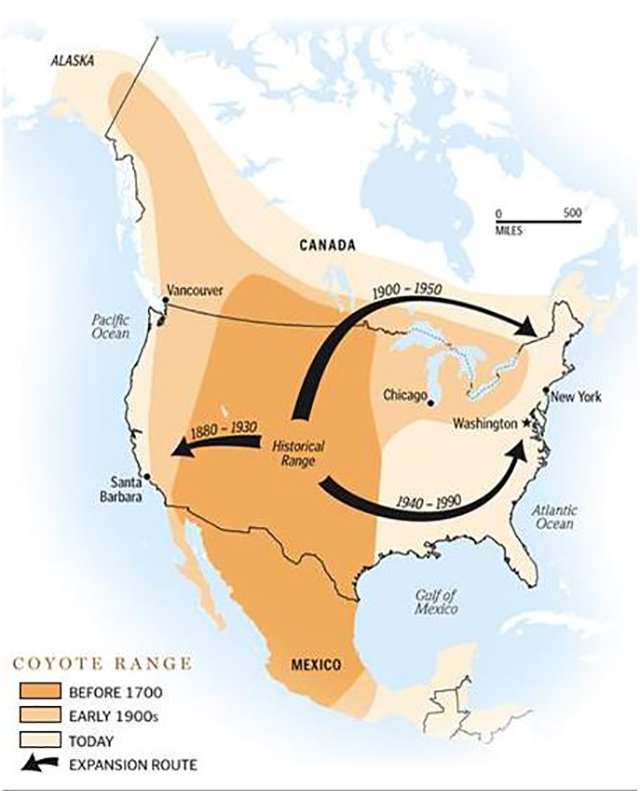
Coyotes of North America Unit Study Biology Diagrams The coyote is the dominant wild animal in the food chain. Found throughout most of North America, the coyote is common in open sagebrush areas, but has adapted to living in urban areas, as well. They have expanded their range due to the decreasing population of their larger competitor, the wolf. Coyotes are intelligent and adaptable creatures that are found across North and Central America. They play an essential role in the food chain as both predators and scavengers. However, they are not at the top of the food chain. Let's explore what eats coyotes and their significance within the ecosystem. The food chain's interconnectedness is evident as golden eagles hunt and eat coyotes, affecting the ecosystem's balance. Thus, the predatory behavior of golden eagles significantly affects the coyote inhabitants in areas where these eagles are common. In the diverse ecosystem of North America, coyotes encounter not just the usual

Coyotes Canis latrans have expanded their geographic range by 40% in the last 120 years, raising questions about their ecological impacts in the newly colonised areas. Despite a wealth of local knowledge on coyote diet in North America, we have little information about how and why diet might vary throughout the species' range.

What Eats Coyotes? (The Food Chain In The Wild) Biology Diagrams
This is an American Prairie Food Web.See if you can identify all the parts of the food web that make this a functioning, healthy ecosystem. Look for: The Producers - the grass.. The Primary Consumers - the prairie dogs, grasshoppers, jackrabbits, and pronghorn antelope.. The Secondary Consumers - the owls, rattlesnakes and coyotes.. The Scavengers - the coyotes and insects.
As opportunistic medium-sized predators, coyotes occupy an important middle niche within the food chain. While a cunning and versatile wild canid adept at hunting animals larger than itself under certain conditions, coyotes also serve as a frequent food source sustaining North America's larger carnivorous giants higher on the ecological pyramid. Without coyotes, these populations could grow unchecked, leading to an imbalance in the food chain and the overconsumption of vegetation. Here are a few ways coyotes contribute to ecological health: Population Control: Coyotes are natural predators of rodents and small mammals. By controlling these populations, they help prevent overgrazing of

Coyote Food Chain Biology Diagrams
In our paper Coyote diet in North America: geographic and ecological patterns during range expansion, we conducted the first rangewide review of coyote diet using studies from across North America.